10 Common Registration Certificate (RC) Mistakes That Can Cause Legal or Documentation Problems
Avoid these common Registration Certificate (RC) mistakes that can create legal, ownership, insurance or documentation issues. Practical tips for every vehicle owner.
- check your RC status online
- apply for a Duplicate RC online
- renew your Registration Certificate online
Quick Answer
Many Registration Certificate (RC) problems are caused not by complex legal issues but by simple mistakes such as failing to verify document details, delaying ownership updates, ignoring registration validity, or continuing to use damaged documents. Identifying these mistakes early can help avoid future administrative and legal complications.
Introduction
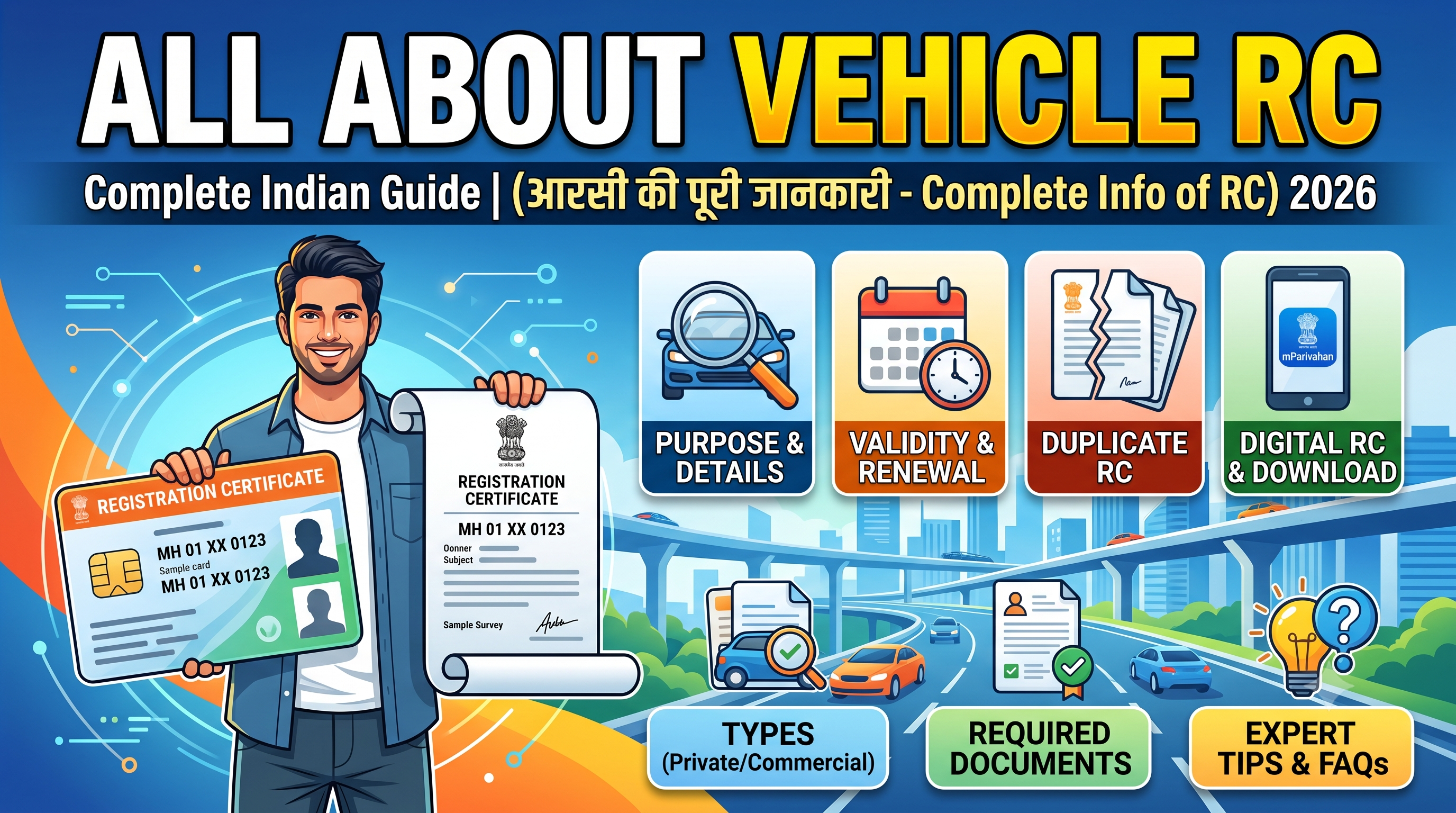
The Registration Certificate is one of the most important documents associated with any vehicle.
However, many vehicle owners pay attention to it only when they need to sell a vehicle, transfer ownership, renew registration, or complete insurance-related formalities.
Unfortunately, small mistakes made over several years often create unnecessary complications later.
In this article, we'll discuss the most common Registration Certificate mistakes and practical ways to avoid them.
1. Never Checking the RC After Registration
Many owners collect their vehicle and never verify whether all the information recorded in the Registration Certificate is correct.
Simple spelling errors or incorrect vehicle details can remain unnoticed for years.
A good habit is to check your RC status online after registration and verify that the information matches your vehicle and ownership details.
2. Ignoring Spelling Mistakes
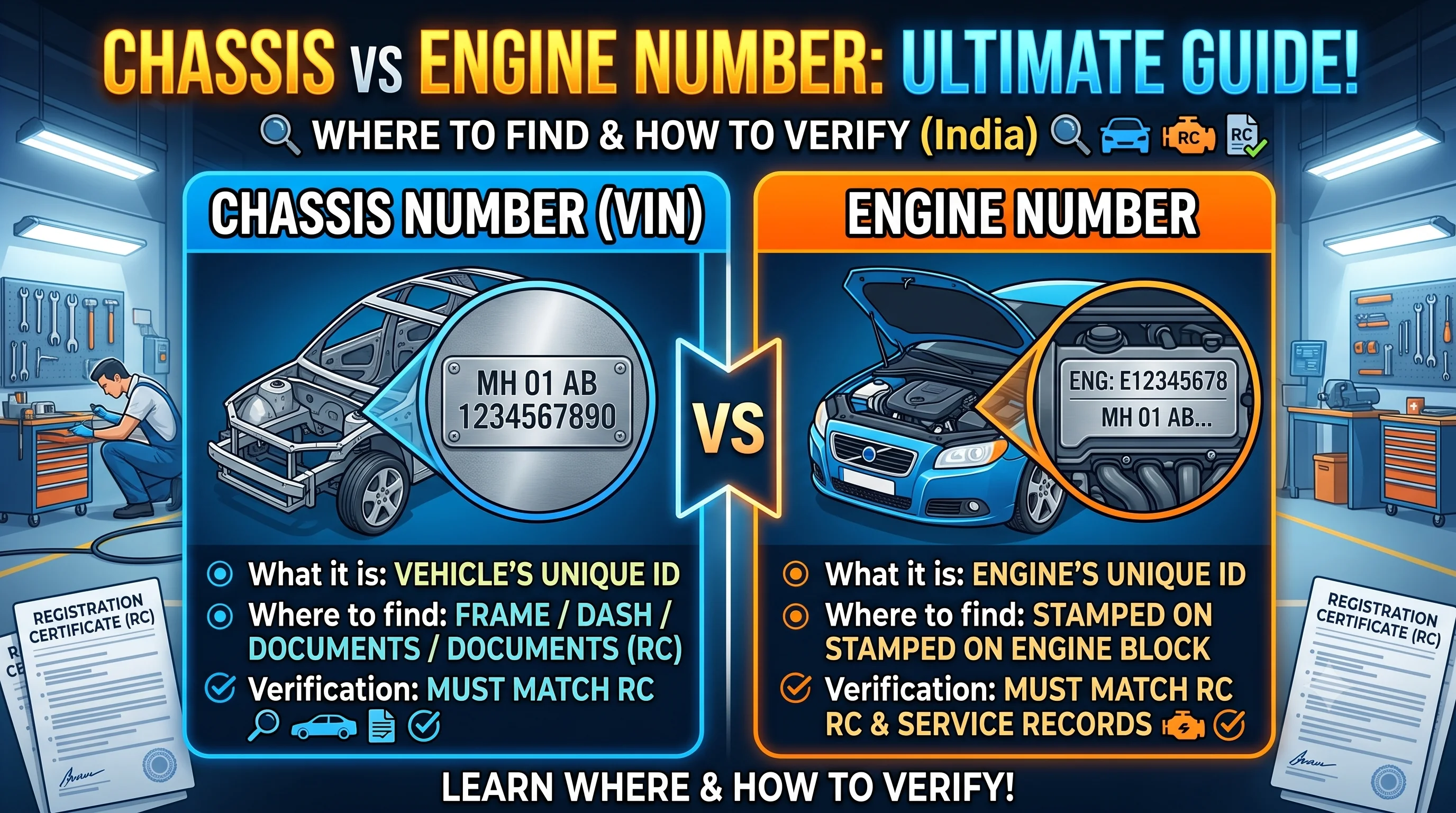
Incorrect owner names, addresses, engine numbers, or chassis numbers can create issues during insurance claims, ownership transfer, or other documentation processes.
Review every detail carefully as soon as the Registration Certificate is issued.
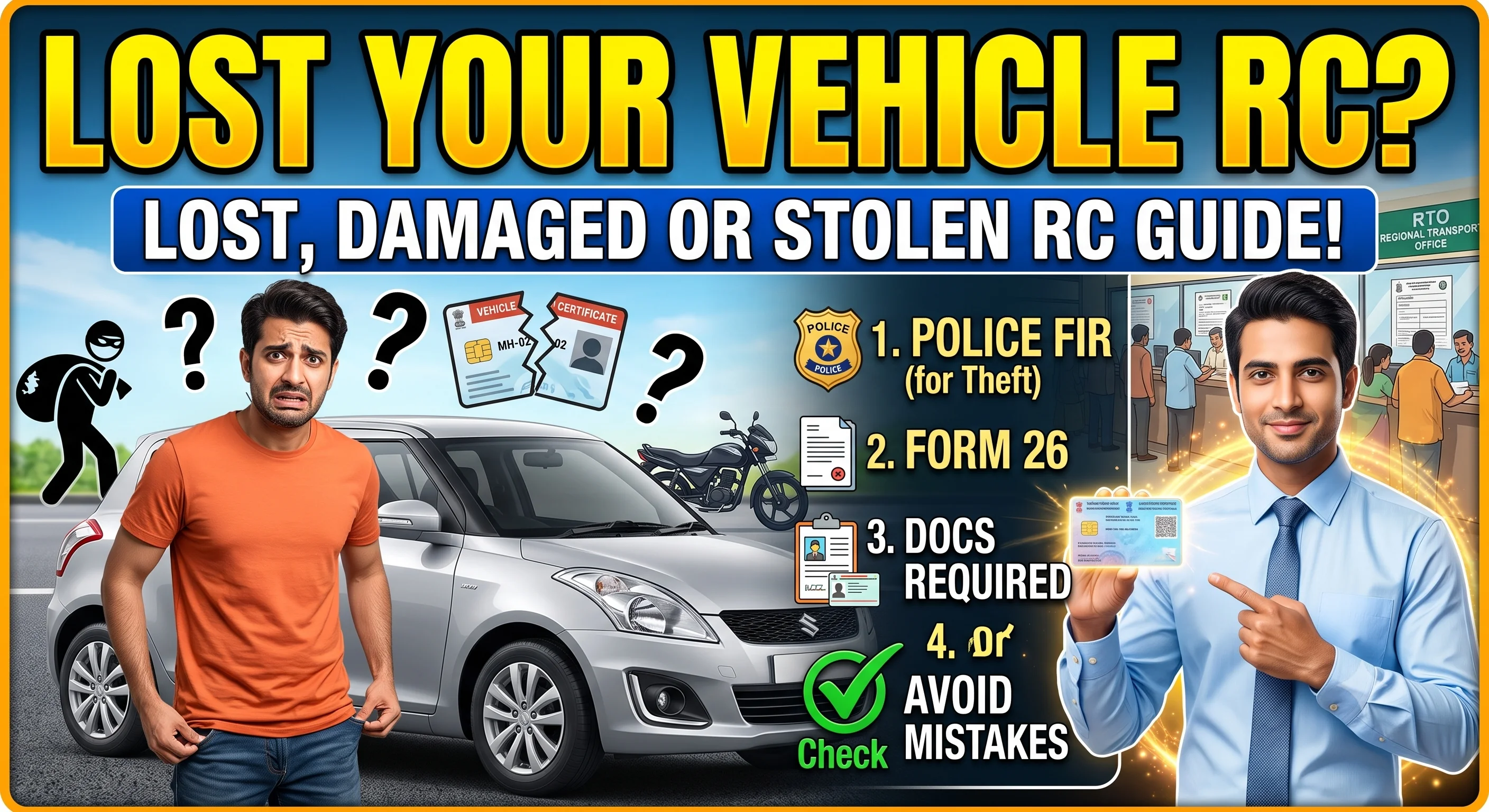
3. Keeping a Damaged RC
Many people continue using torn, water-damaged, or unreadable Registration Certificates.
Damaged documents may create difficulties during inspections or administrative procedures.
If the document is no longer usable, it may be appropriate to apply for a Duplicate RC online instead of waiting until another process is affected.
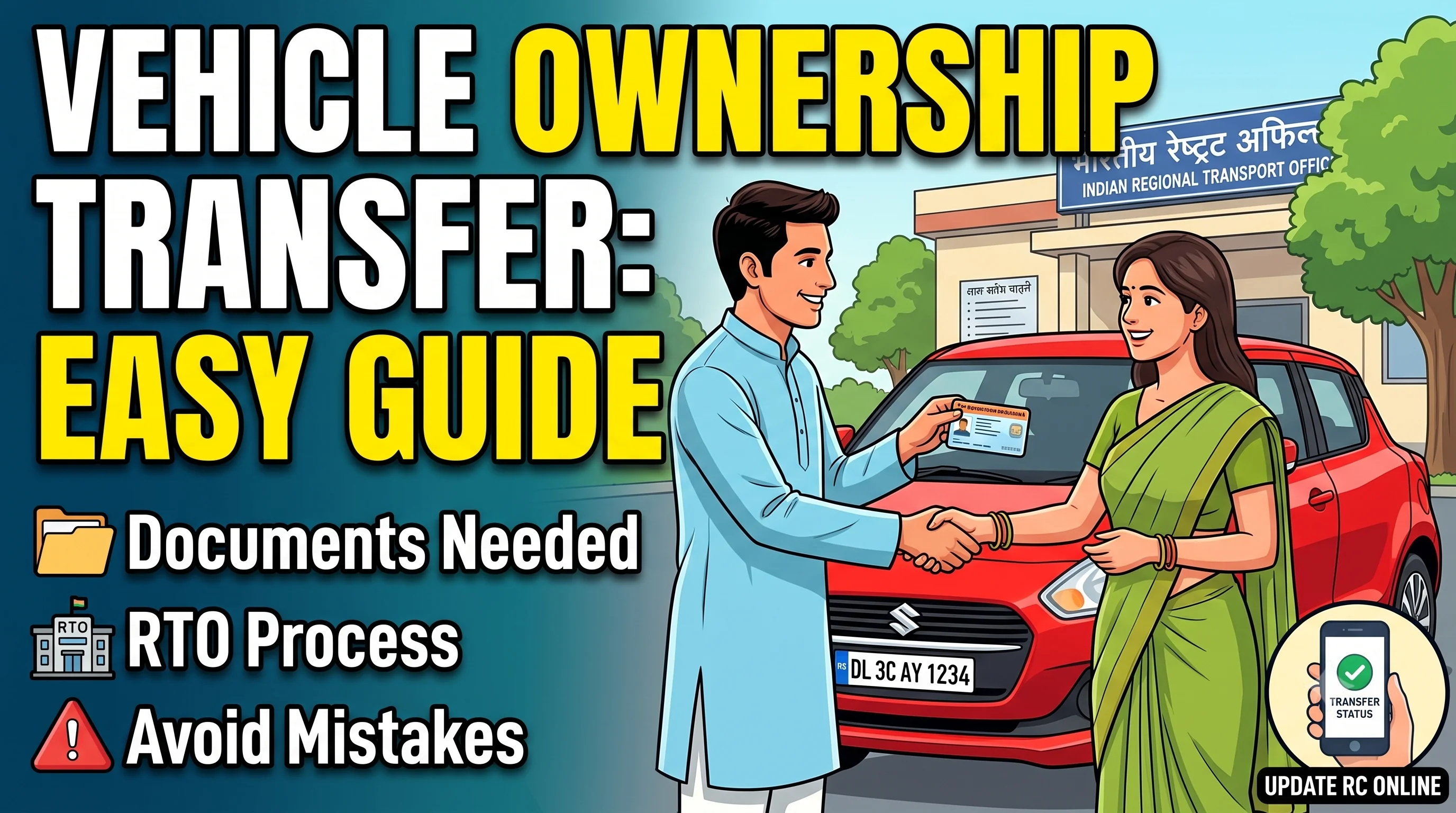
4. Forgetting Ownership Transfer
Buying or selling a vehicle without completing the ownership transfer is one of the most common mistakes.
Until the Registration Certificate is updated, the official records may continue showing the previous owner.
5. Ignoring Registration Validity
Some vehicle owners focus only on insurance renewal while forgetting about registration validity.
Where applicable, it is important to renew your Registration Certificate online before the validity period ends.
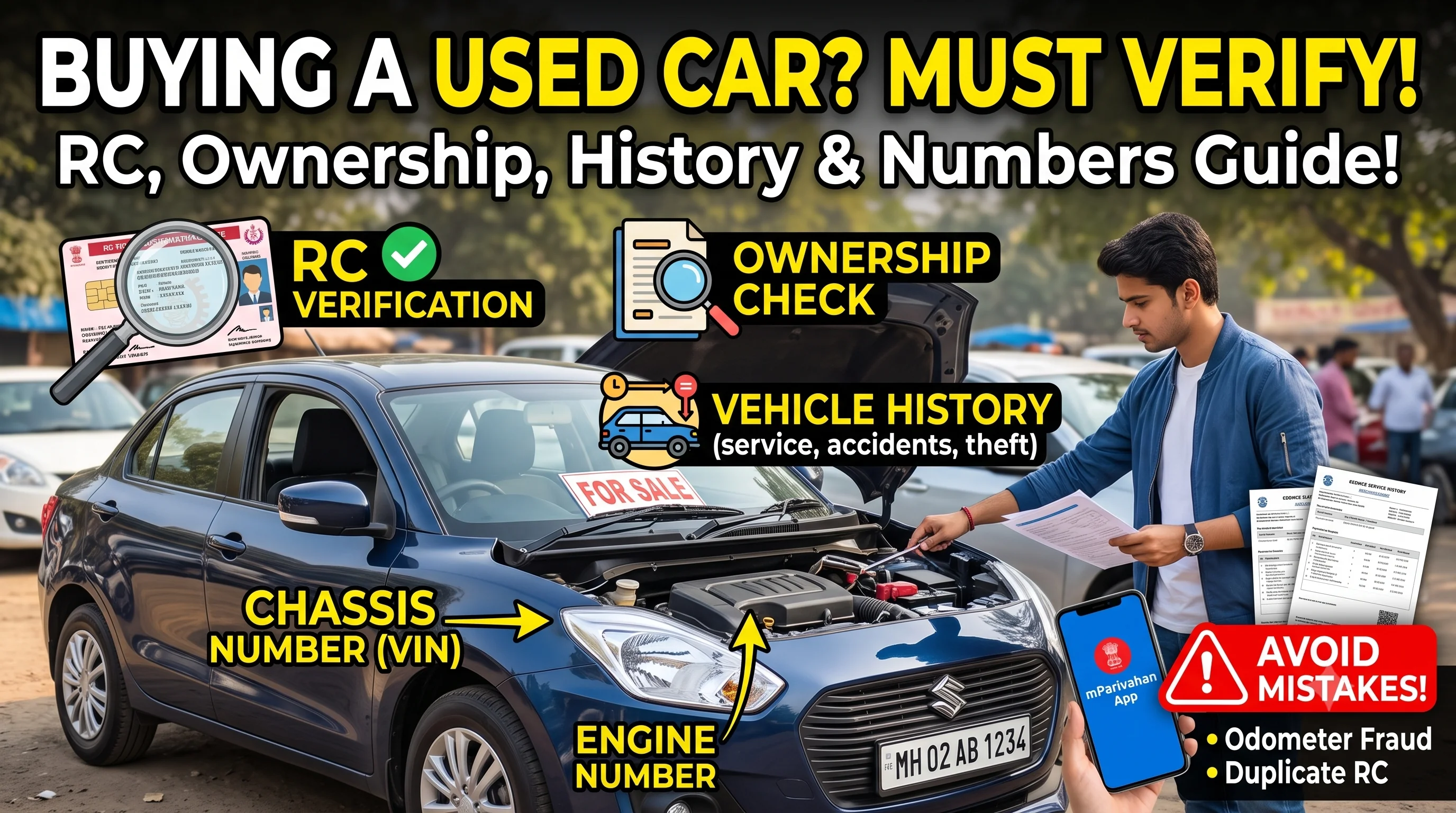
6. Buying a Vehicle Without Verifying the RC
Never rely solely on verbal assurances from the seller.
Always compare:
- Registration Number
- Chassis Number
- Engine Number
- Owner Details
with the official Registration Certificate.
7. Not Keeping Digital Copies
Maintaining secure digital copies of important vehicle documents can be helpful if the originals are temporarily unavailable.
However, always ensure that the copies remain accurate and updated.
8. Ignoring Address Changes
If your address changes, review whether any vehicle-related records also require updating according to applicable regulations.
9. Losing Supporting Documents
The RC is only one part of the overall documentation.
Insurance, PUC, tax records, and identity documents should also be stored carefully.
10. Never Reviewing Vehicle Documents Again
Many owners receive the Registration Certificate and never review it again.
Checking your vehicle documents periodically helps identify errors before they become major issues.
Expert Tips
- Verify your RC every few months.
- Keep scanned copies of all vehicle documents.
- Review registration details after ownership transfer.
- Compare the RC with the physical vehicle.
- Update records whenever required.
Frequently Asked Questions
Yes. Even minor errors can complicate future documentation.
If the document is unreadable or unusable, obtaining a replacement is generally advisable.
Yes. Reviewing the Registration Certificate helps ensure that the recorded information is accurate.
Related Articles
Conclusion
Most Registration Certificate problems are preventable. Taking a few minutes to review your RC, verify the recorded details, and keep your vehicle documentation updated can help avoid unnecessary complications in the future. Good documentation habits not only simplify vehicle ownership but also make future services, transfers, and renewals much smoother.